
Da-Yan Tower 3D Wooden Puzzle
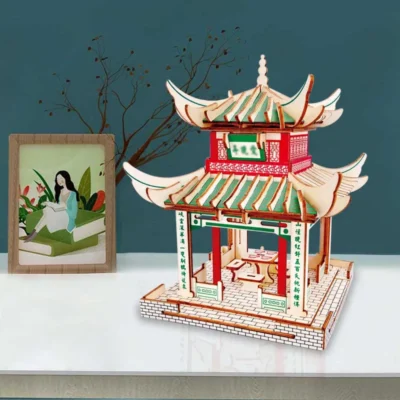
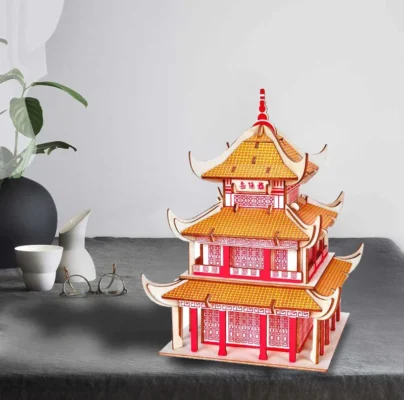
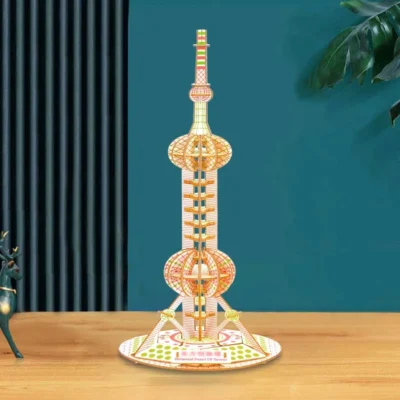
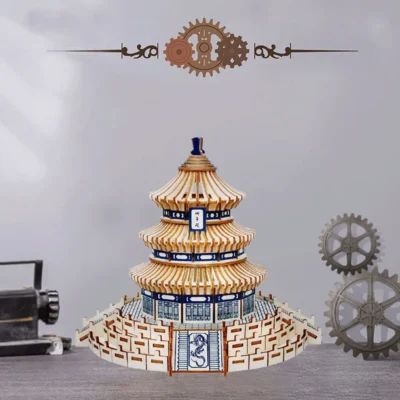
Build the famous Giant Wild Goose Pagoda in wood. This 3D wooden puzzle captures every tier of this iconic landmark. Display-worthy!
Nature & Plants
Architecture & Landmarks
Home Decor

Vehicles & Transportation

Mechanical Models
Educational & Kids
Nature & Plants

Christmas & Holiday
Da-Yan Tower — 3D Wooden Architecture Puzzle



What Is the Da-Yan Tower 3D Wooden Puzzle?
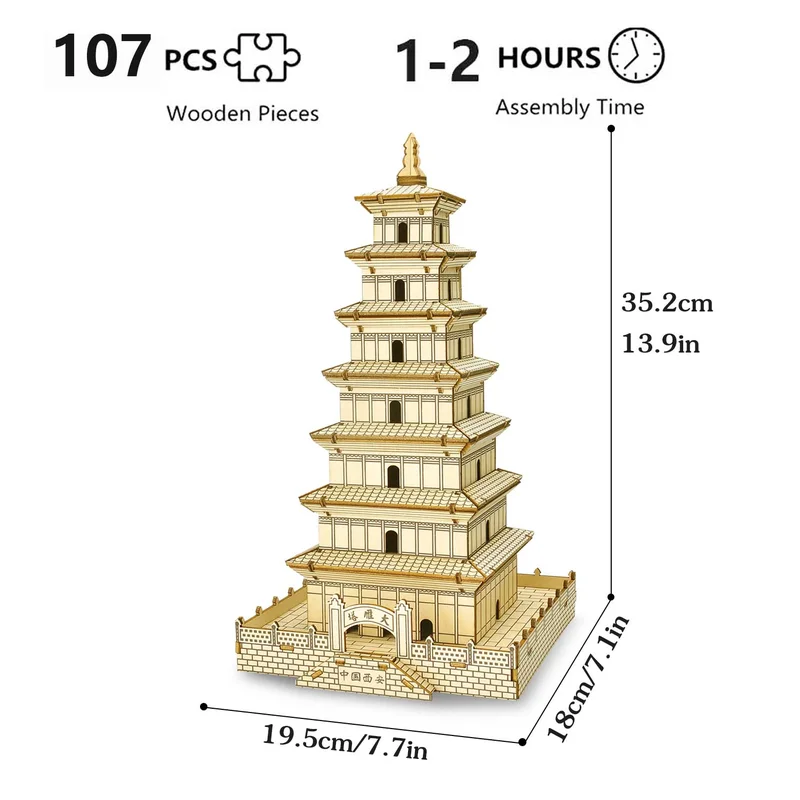
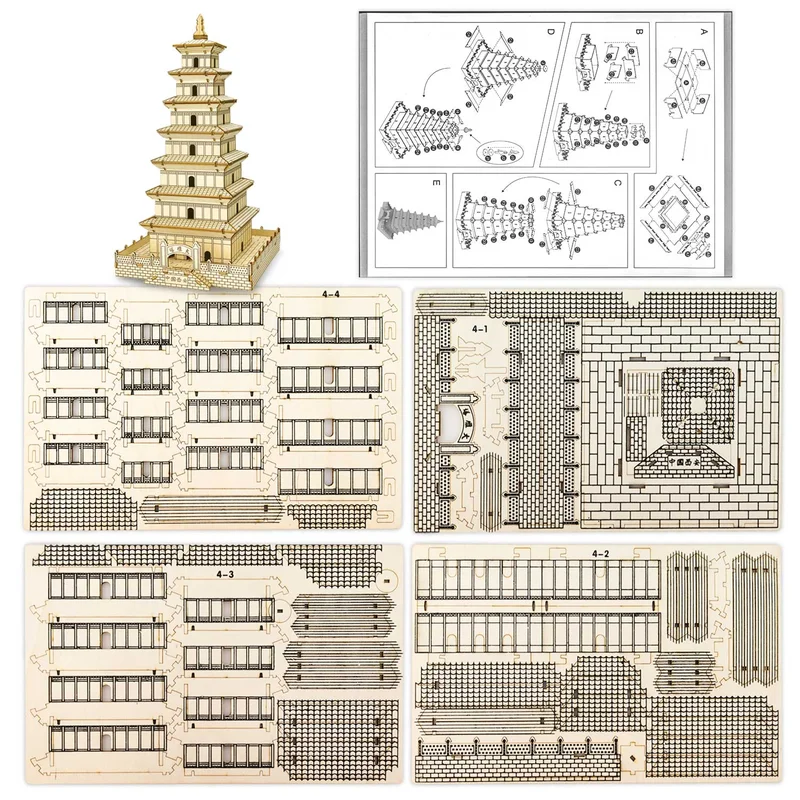
The Da-Yan Tower is a 107-piece laser-cut poplar wood architecture puzzle with screen-printed detail, recreating the iconic Giant Wild Goose Pagoda tier by tier. Assembles without glue, measures 195 × 182 × 352 mm when complete. A collector-grade landmark display for architecture fans, Chinese culture enthusiasts, and premium gift buyers.
Product Specifications
| Da-Yan Tower 3D Wooden Puzzle — Chinese Pagoda Model Kit Collector’s Item Screen Printed | |||
| Spec | Value | Spec | Value |
|---|---|---|---|
| Material | Poplar Wood | Production Process | Laser Cutting & Engraving |
| Number of Parts | 107 pcs | Coloring Process | Screen Printing |
| Product Size | 166 × 135 × 120 mm | Individual Weight | 340 × 210 × 18 mm |
| Packaging | Plastic | Packaging Size | See product page |
| Units per Carton | 30 | Carton Size | See product page |
| Carton Weight | See product page | Category | Architecture & Landmarks |
Poplar Wood Craftsmanship — Pagoda Detail, Screen-Printed Tiers
✦ Poplar Wood & Screen Printing — Sunflower Detail, Display Quality
The Da-Yan Tower is precision-cut from natural poplar wood — lightweight and dimensionally stable for the multi-tiered pagoda structure this model demands. Every roof eave, column, and decorative panel is laser-engraved to ±0.05 mm tolerance.
The surface is enhanced with screen printing — adding authentic Chinese architectural color and detail to each tier. At 195 × 182 × 352 mm assembled, the Da-Yan Tower is a commanding display piece that brings the Tang Dynasty landmark to any shelf.
◈ Product Highlights at a Glance
- 107 precision-cut parts — poplar, screen-printed pagoda tiers & roof detail
- Assembled size: 195 × 182 × 352 mm — tall, commanding pagoda display
- Individual weight: 340 g approx. — solid, gift-worthy feel
- No glue required — snap-fit assembly, beginner-friendly
- Screen-printed finish — authentic Chinese pagoda color & detail
- Plastic packaging — protective, retail shelf & e-commerce ready
- See product page — efficient carton packing for wholesale orders
- Architecture & Landmarks category — culture lover & collector appeal
▲ Where This Model Sells Best
Premium Gifting
Birthdays, Chinese New Year, Christmas — a landmark pagoda build & display for culture enthusiasts
Architecture & Culture Fans
Giant Wild Goose Pagoda detail — irresistible for Chinese history lovers & architecture collectors
Gift & Specialty Retail
Chinese landmark theme drives strong impulse purchase; high appeal in culture & tourist gift stores
Online Marketplaces
Strong demand for Chinese landmark & pagoda 3D wooden puzzles on Amazon, Etsy & collector platforms

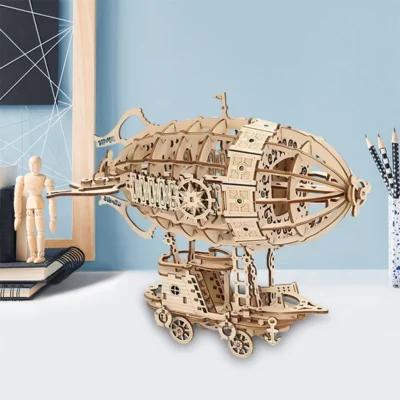
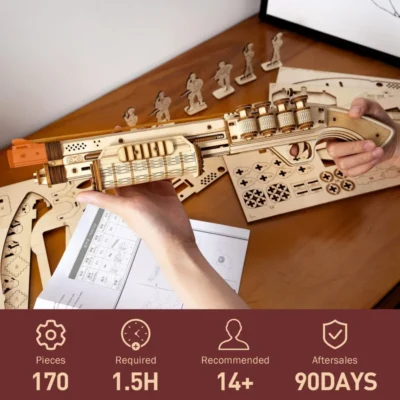
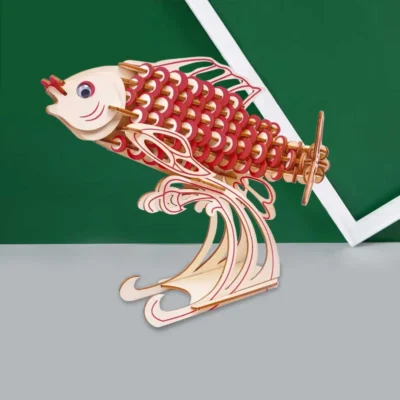
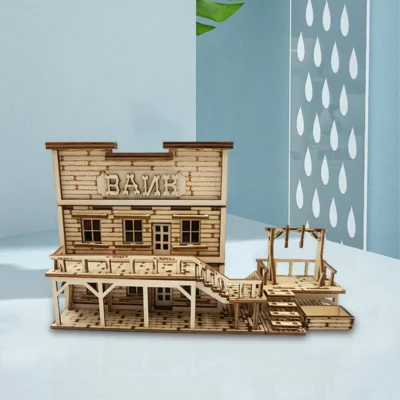
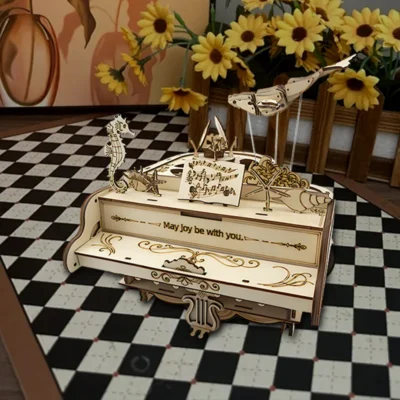
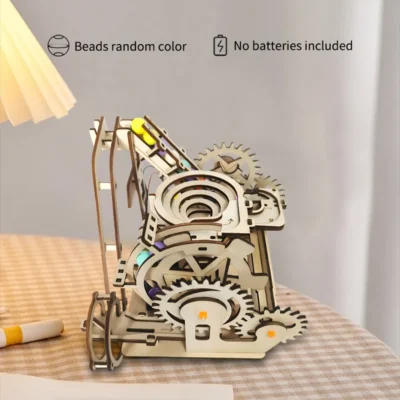
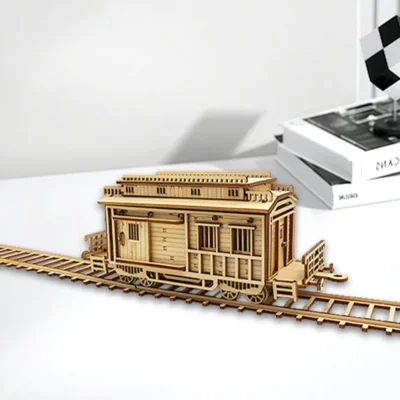
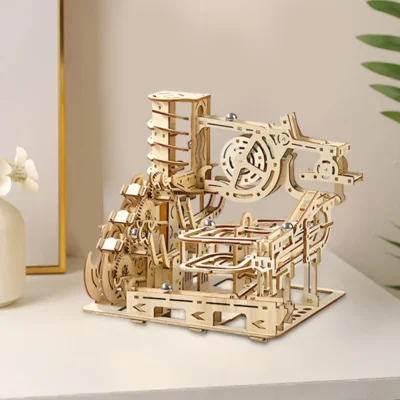
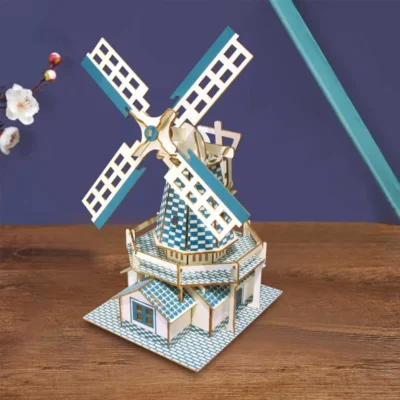
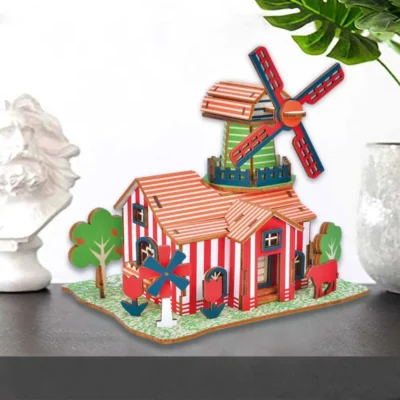
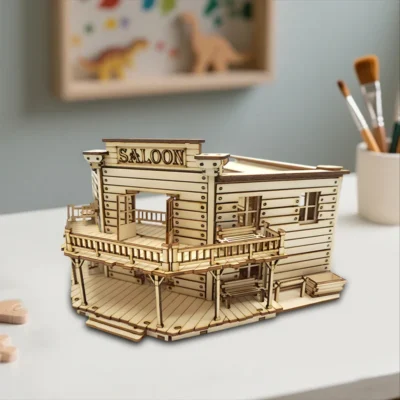


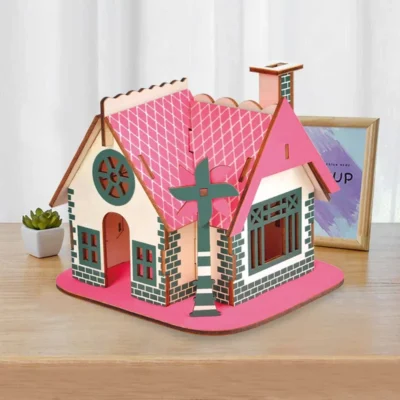




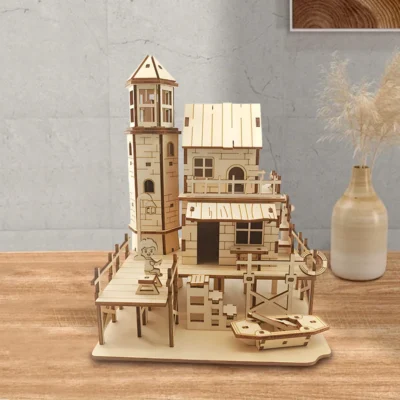
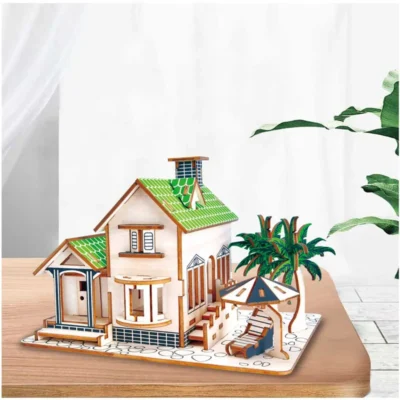
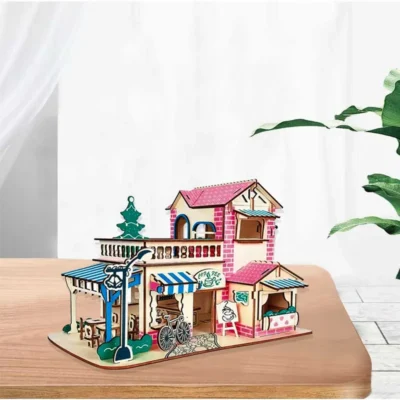
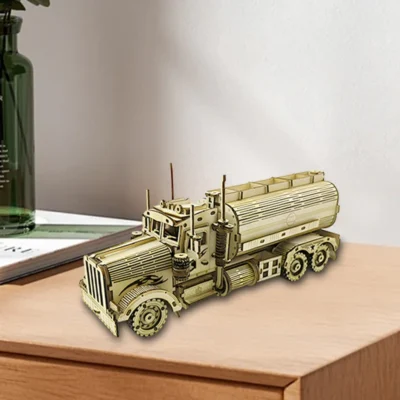

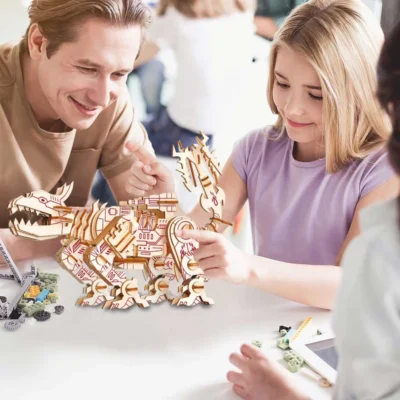

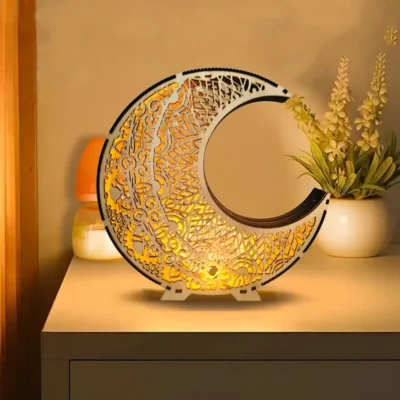
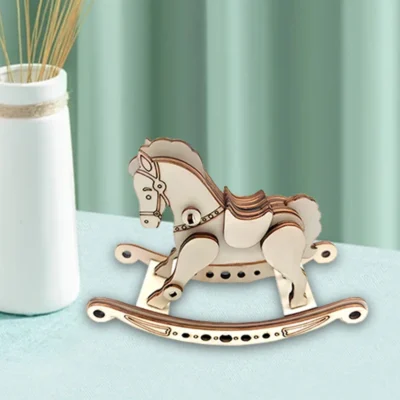


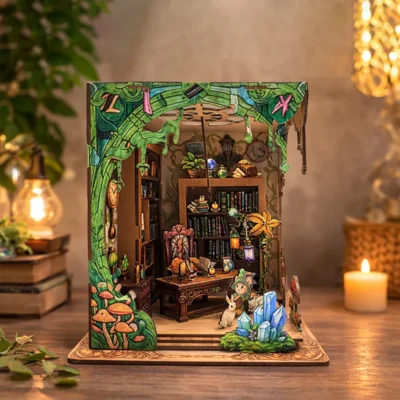
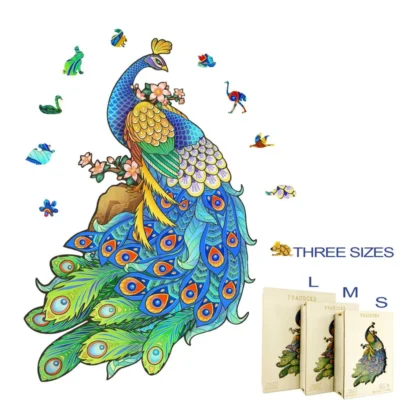
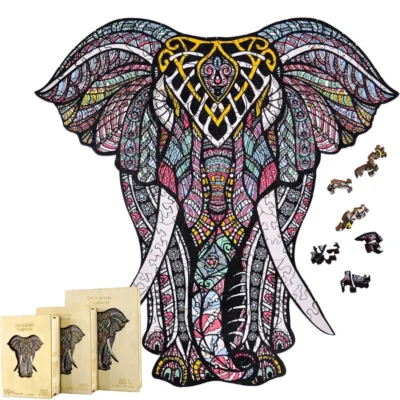
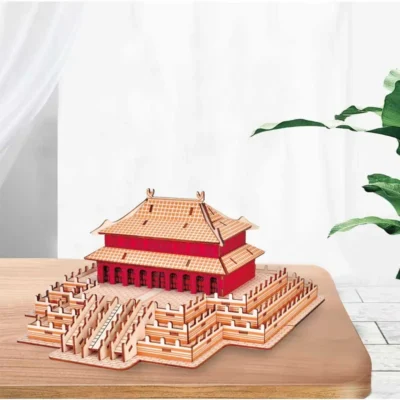




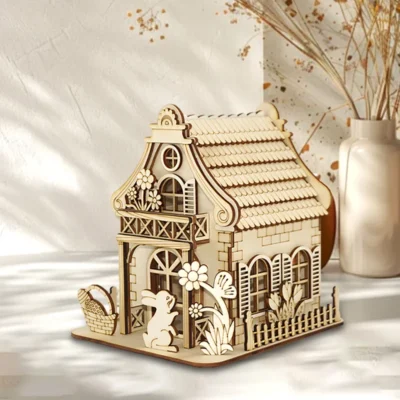
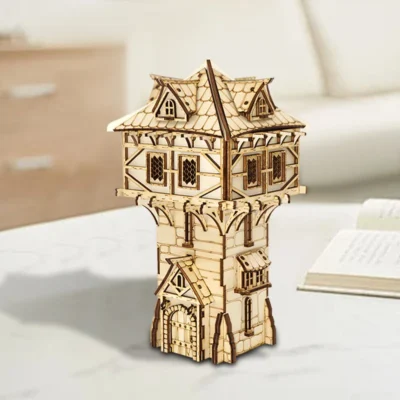


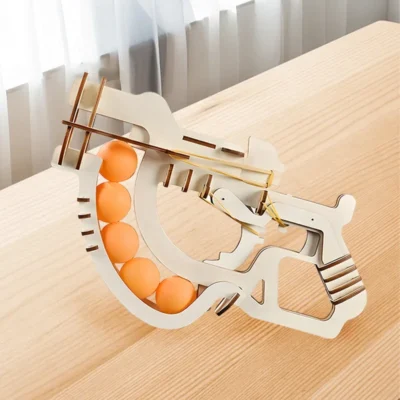
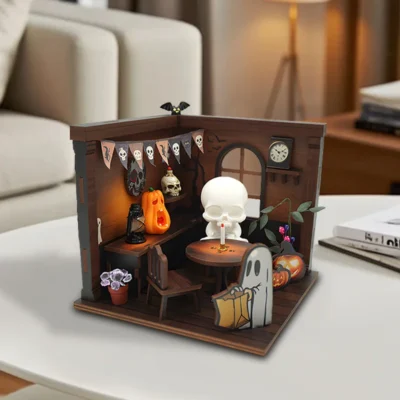
Everything you need to know for a smooth building experience
Are wooden parts fragile during assembly? Are spare parts included?
+
Wood naturally has some fragility, but all stress points in our designs have been rigorously strength-tested. More importantly, every puzzle set includes free spare parts for small, breakable components such as clips and thin rods. If a piece breaks, you can simply use the spare — no need to wait for after-sales support.
Do I need any extra tools or glue to assemble the model?
+
Our products feature high-precision physical interlocking joints (mortise-and-tenon design), and over 95% of assembly steps require no glue whatsoever. Each set typically includes a small piece of sandpaper. You only need a hobby knife (craft knife) to help detach parts from the board — that’s it.
What if gears or moving parts feel stiff or don’t run smoothly?
+
This is the most common concern with mechanical wooden puzzles. Before assembly, use the included sandpaper to smooth any burrs along gear edges, then apply ordinary paraffin wax or candle wax to lubricate contact surfaces. This dramatically reduces friction and ensures clockwork mechanisms and gear trains operate smoothly.
How do I safely remove parts from the wooden board without damaging them?
+
Our laser-cut boards retain tiny connection points to prevent parts from falling out. We recommend gently pressing from the back side (the side with thicker lines), or using a hobby knife to lightly score the connection points. Never pull or yank parts forcefully, as this can cause the wood to split along the grain.
Can I paint or customize the finished 3D wooden puzzle?
+
Absolutely! We use natural, unbleached wood boards that are ideal for painting. Watercolor or acrylic paints work best. One important tip: avoid applying thick layers of paint on gears or moving joints, as this may interfere with the mechanical operation.
What if a key part is lost or there are no spares available?
+
As the source manufacturer, we provide comprehensive after-sales replacement support for all our B2B partners. Simply provide the Part Number from the instruction manual along with a clear photo, and we will ship the replacement free of charge with your next batch order — or send it directly via international parcel. Your retail after-sales concerns are fully covered.
Will the model fall apart without glue?
+
No. We use high-precision laser cutting with tolerances within 0.05 mm, so all slots are tight-fit. Once fully assembled, the model is extremely solid and sturdy — it serves as a beautiful desk display, and mechanical models can be operated and enjoyed over the long term.
What age group are these 3D puzzles suitable for?
+
Due to small parts and the logical thinking and hand strength required, our recommended safe age is 14 years and above (14+). For children aged 8–13, we strongly recommend adult supervision and participation — which also makes it an excellent parent-child STEM bonding activity.
Why are some parts very tight and hard to insert?
+
Natural wood expands and contracts with changes in humidity. In extremely dry or humid conditions, some mortise-and-tenon joints may become tighter. If a part won’t go in, don’t use force — simply use the included sandpaper to lightly sand the protruding tab until it slides in smoothly.
Can I disassemble and reassemble if I make a mistake?
+
Yes. If you need to take a part off, please be gentle. Hold the base of the part firmly with both hands (or use a tool if needed) and push it out parallel to the joint. Avoid rocking, twisting, or applying excessive force, which could snap the connecting tenon.